
Industry leaders share their reflections on the future of organizations, purposeful innovation, and the importance of humanity in the age of Artificial Intelligence.
In an environment characterized by the rapid adoption of artificial intelligence and the constant evolution of markets building relevant brands and strong institutions demands a return to the basics, say two prominent leaders in Latin America’s corporate and marketing sectors.
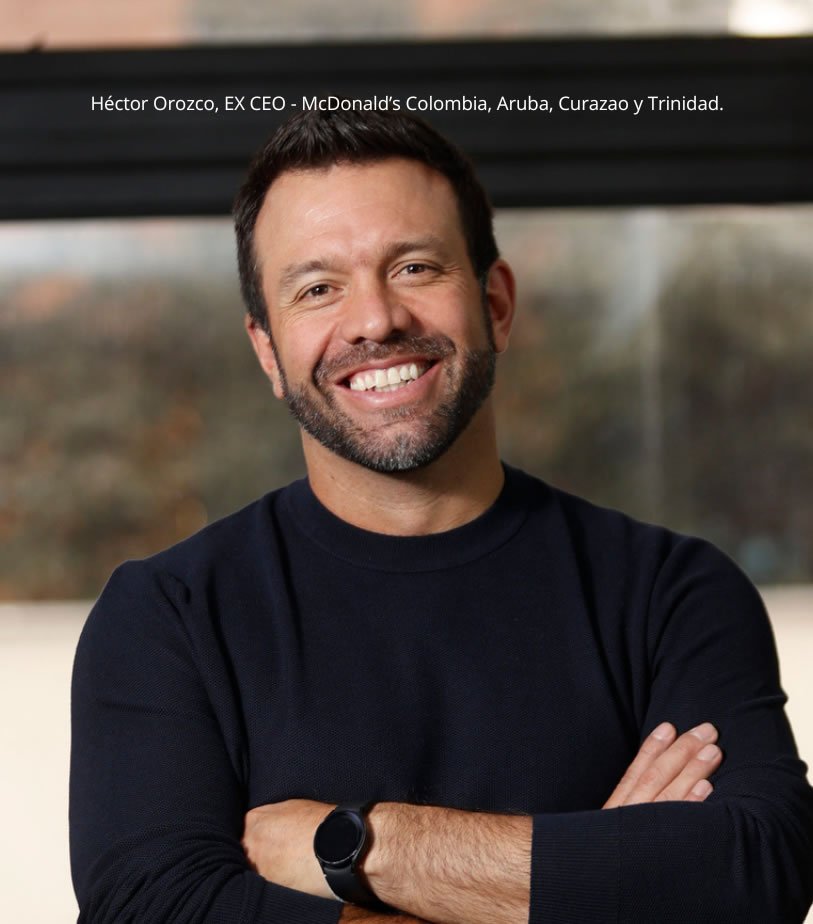
Héctor Rueda, Google’s Regional Brand, Product and Solutions Lead for Spanish Speaking LATAM, and Héctor Orozco, the former CEO of McDonald’s Colombia, Aruba, Curazao and Trinidad, now an independent consultant, share this viewpoint. Both executives say that, while technology and operational tools will continue to evolve, the sustainable competitive advantage lies in authenticity, the ability to connect with people, and genuine leadership.
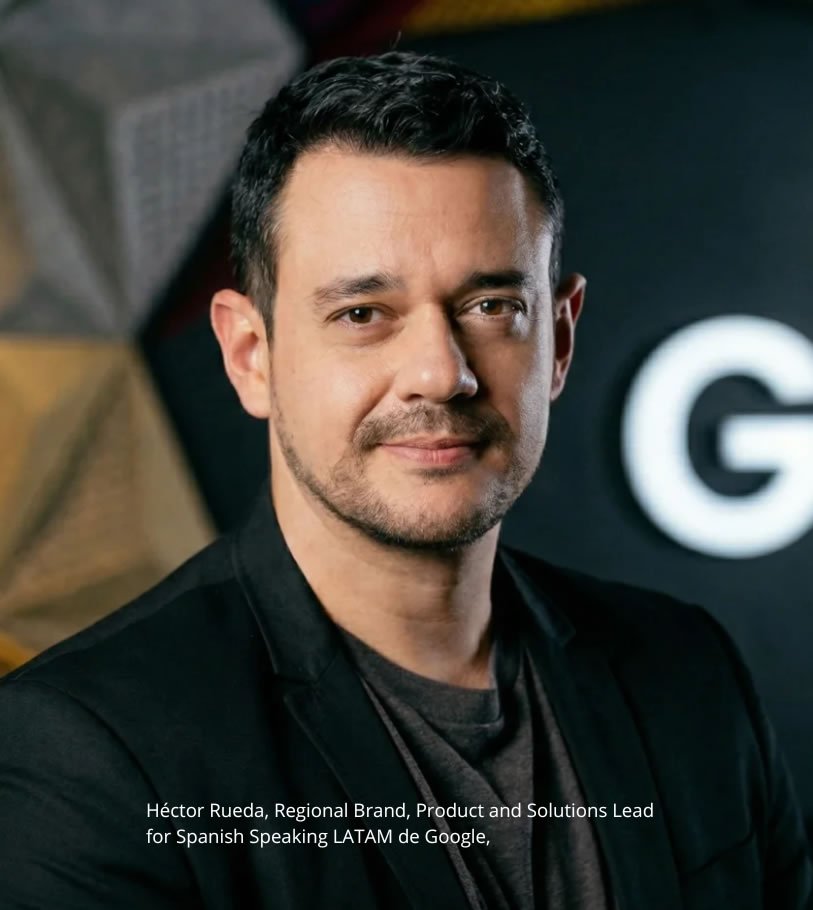
Rueda says that the most transformative milestone in the advertising industry has not been artificial intelligence, but the strategic use of data to understand the individual consumer.
“Before artificial intelligence, the real revolution we were already experiencing was that of data: We went from mass marketing to a much more personalized marketing, where we stopped looking at averages and starting understanding people,” Rueda said
He also stressed that brands must prioritize the development of relationships with consumers based on facts and consistency.
“Today the challenge is no longer that a brand is seen, but that it is remembered. The difference is in making a genuine connection with people, telling them why you are different, and demonstrating it with facts.”
Regarding the evolution of technology, Rueda emphasizes that strategic decisions must preserve a human focus. Artificial Intelligence is a tool, but marketing must always be based on understanding human behavior, consumer trust, and adaptation to evolving economies.
Orozco, who led one of the world’s most iconic fast-food franchises for decades, points out that the most decisive corporate transformations are human and cultural in nature. Based on his experiences as a consultant with prominent brands such as Popsy, Totto and Parmessano, Orozco calls for company heads to rethink leadership roles so as to better enable teams to reach their full potential: “Don’t make extraordinary people ordinary. Let them think, work, create and fail,” Orozco emphasized, referring to the model of flexible leadership and service.
Orozco also highlights the value of integrating the creative capacity of new generations with the traditional executive rigor of previous generations, assuring that “there are many people with initiative, but very few with follow-through.”
For him, innovation implies transcending novelty and orienting executions towards a positive social impact supported by honesty, transparency, and ethical values.
Our takeaways from hearing from these two industry leaders, are: consistency in what brands say and do generates consumer trust; innovation does not always mean creating something from scratch but also adapting to change and new realities; human understanding will always be needed along with automation, because empathy, adaptability and leadership cannot be replaced by AI.
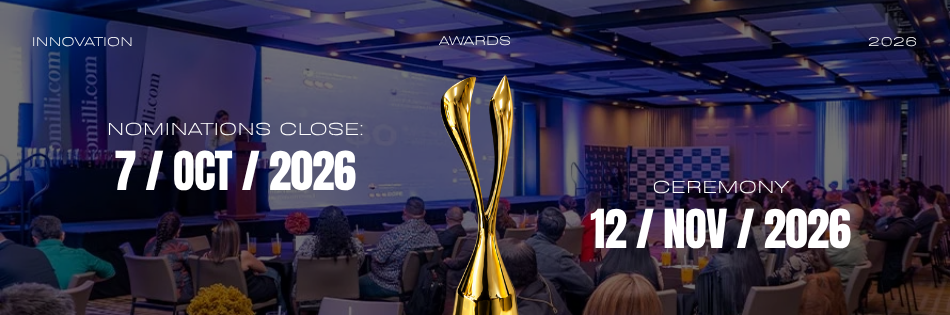
This vision will be present at the 2026 Tomilli Summit, where Héctor Rueda and Héctor Orozco will participate as members of the Summit’s international jury, bringing their experience and perspective to the evaluation of some of the year’s most innovative initiatives. The gathering will take place on November 12 at the Sheraton Grand Dubai, and will bring together leaders from different industries and markets to recognize ideas capable of transforming business, industries and society.