Implementing Generative Engine Optimization (GEO) strategies involves adapting SEO techniques for AI-driven search engines. Key steps include conducting GEO keyword research to improve relevance, crafting content that aligns with user intent and AI algorithms, and enhancing technical optimization for seamless AI accessibility. Structured data, mobile responsiveness, and community engagement foster brand authority. Adapting traditional SEO methods ensures alignment with AI technologies. To gain a deeper understanding of these strategies, further exploration is encouraged.
Understanding the core components of GEO strategies involves dissecting the intricate elements that optimize content visibility and alignment with AI algorithms.
At the heart of this lies GEO keyword research, which is essential for enhancing relevance and authority. Competitor research and brand perception intelligence provide insights to adapt content effectively.
GEO keyword research is crucial for boosting relevance and authority, guided by competitor insights.
By understanding audience needs, one can align strategies to serve them better, ensuring content resonates and engages deeply.
Traditional SEO methods are adapted to fit the evolving generative AI landscape, maintaining a focus on content quality and AI algorithm alignment.
Prioritizing these components aids in effectively serving others through optimized content delivery.
Building on the foundation of core components in GEO strategies, the focus shifts to identifying GEO keyword opportunities. This involves a nuanced understanding of how AI-driven search engines prioritize queries and natural language.
By tailoring keyword research to align with AI preferences, organizations can better serve their audience’s needs. Critical considerations include:
Crafting content for AI-driven search engines necessitates a strategic approach that seamlessly integrates natural language and contextually relevant elements. This involves understanding user intent and crafting content that resonates with audiences while aligning with AI algorithms.
By prioritizing conversational phrases and long-tail keywords, content creators can capture specific user queries, ensuring that their material is both engaging and accessible. Incorporating semantic keywords and recognizable entities enhances categorization, allowing content to serve users more effectively.
Additionally, using formats like lists, tables, and multimedia enriches the user experience, further aiding AI in delivering precise and helpful search results.
To enhance technical optimization for AI accessibility, it is crucial to ensure that content is structured in a way that facilitates seamless interpretation by AI algorithms.
Structuring content is vital for seamless AI algorithm interpretation.
This involves meticulous attention to the organization and presentation of content, making it more accessible and efficient for AI processing. Implementing structured data is essential, aiding AI in understanding and categorizing information.
Additionally, schema markup can significantly improve content visibility in search results.
To further optimize:
Uncovering the competitive landscape and assessing brand perception are pivotal steps in refining a business’s AI strategy. Competitor research allows businesses to identify frequently cited competitors in AI-generated overviews and analyze content gaps. Effective brand perception analysis involves leveraging AI-generated summaries and user-generated content to gauge public sentiment and portrayal. Businesses committed to serving others can better tailor their strategies by understanding these insights.
| Aspect | Tool/Methodology | Purpose |
|---|---|---|
| Competitor Identification | AI Overview Impact Analysis | Spot frequently cited competitors |
| Content Gaps | Competitor Content Analysis | Discover opportunities for improvement |
| Brand Sentiment | User-Generated Content Insights | Assess customer sentiment and perception |
This comprehensive approach enhances AI strategy alignment and customer engagement.
Establishing brand authority in the AI landscape demands a strategic blend of credibility, relevance, and trust. Brands need to produce high-quality, insightful content that aligns with AI algorithms and resonates with user intent.
Demonstrating expertise and reliability is essential to build a solid reputation. Engaging with audiences through various channels promotes community and loyalty.
These strategies prioritize serving the audience effectively.
As brands establish authority in the AI-driven landscape by creating credible content and fostering community engagement, attention must also be directed towards evolving SEO strategies to align with GEO advancements.
Emphasizing relevance and authority remains crucial, yet adapting to AI’s natural language processing is key. Brands should focus on conversational keywords and semantic phrases to meet user intent effectively.
Technical improvements, such as schema markup and mobile optimization, are vital for AI accessibility.
Continual competitor analysis and understanding AI-generated insights will enable companies to refine their strategies, maintaining visibility and ensuring they meet the evolving needs of their audience.
In conclusion, implementing Generative Engine Optimization (GEO) is essential for businesses navigating AI-driven search engines. A recent study reveals that 93% of online experiences begin with a search engine, underscoring the critical need for GEO strategies to maintain visibility. By understanding core components, optimizing content with natural language, and leveraging technical enhancements, businesses can stay ahead. Embracing GEO not only enhances search visibility but also solidifies brand authority in the evolving digital landscape.
Uncover hidden SEO Gems in Google’s recent update with Konk. This new approach highlights critical SEO strategies that often go unnoticed. Emphasizing language precision, marketers must connect content with user intent. Quality supersedes quantity, and original content garners higher rankings.
Clarity in communication is vital; simple language enhances understanding and aligns with search engine algorithms. Moreover, visual elements should complement the written word to reinforce your message. Technical writing that maintains accuracy while being user-friendly can significantly boost relevance and trust with your audience. Applying these insights can elevate your SEO efforts and maintain a competitive edge in the ever-evolving digital landscape.
Learn with Konk all insights await your exploration.
In the realm of SEO, the importance of precise language cannot be overstated. As language evolution continues to reshape our communication, achieving semantic understanding becomes paramount for effective online interactions. Clear and accurate language not only enhances user experience but also aligns content with search engine algorithms, which increasingly prioritize nuanced queries.
By employing precise language, content creators can better serve their audience’s intent, fostering a deeper connection between users and information.
This clarity aids both users and machines, bridging the gap between human inquiry and technological interpretation. As the landscape of digital content evolves, adopting a strategy focused on precision will empower writers to meet the demands of sophisticated search behaviors while enhancing overall content relevance and impact.
While navigating the evolving landscape of SEO, key takeaways from Google’s updates reveal essential insights for content creators. Understanding these updates can enhance user experience and improve content relevance. Here are three critical takeaways:
Achieving clarity in content creation is essential for effectively communicating ideas to both users and search engines. Emphasizing content simplicity allows for streamlined messaging that enhances comprehension and resonates with audiences.
By prioritizing clear and concise language, creators can ensure that their messaging effectiveness meets user needs and aligns with search engine algorithms. This approach not only aids in delivering essential information but also supports a more engaging user experience. As Google’s updates increasingly favor original, straightforward content, it becomes crucial to eliminate unnecessary complexity in writing.
Ultimately, clarity fosters trust and understanding, enabling users to quickly grasp the intended message, thereby fulfilling their search intents and enhancing overall satisfaction with the content provided.
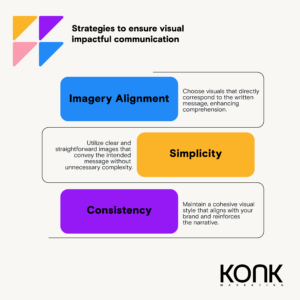
Visual communication plays a vital role in enhancing user engagement and understanding, complementing the clarity established in written content. By employing effective visual storytelling techniques, creators can foster deeper connections with their audience.
To ensure impactful visual communication, consider the following strategies:
Mastering technical writing is essential for achieving SEO success in today’s digital landscape. A well-crafted content strategy hinges on clear and precise language that resonates with both users and search algorithms. As search engines evolve, the need for accuracy in technical writing becomes paramount; it not only enhances user comprehension but also aligns with the intent behind queries.
By focusing on clarity, writers can improve content eligibility for higher search rankings. This approach fosters a deeper connection with audiences, ultimately serving their needs more effectively. Emphasizing technical accuracy while maintaining a human touch cultivates trust and relevance, ensuring your content stands out in an increasingly competitive online environment.
Like the tides that shift subtly yet profoundly, Google updates its search algorithms frequently—often several times a month. These algorithm changes are essential for maintaining relevance and enhancing user experience in an ever-evolving digital landscape.
What Role Do Backlinks Play in SEO After Updates
Backlinks remain vital for SEO, with an emphasis on backlink quality and link diversity. High-quality, diverse links enhance credibility and authority, fostering improved search rankings while facilitating better user experiences through valuable, interconnected content.
Can SEO Strategies Be Automated EffectivelyImagine a world where SEO automation reigns supreme, transforming tedious tasks into seamless efficiency. Effective tools can streamline processes, yet human insight remains essential for crafting resonant content that truly serves user intent and needs. You can rely on Konk Marketing for effective SEO strategy automation.
How Do I Measure the Impact of Google Updates?To measure the impact of Google updates, implement update tracking alongside performance metrics such as organic traffic, bounce rates, and keyword rankings. Analyzing these indicators will help assess content effectiveness and user engagement post-update.
What Tools Can Help Analyze SEO Performance Post-Update?Navigating SEO performance post-update is akin to sailing through uncharted waters. Utilizing robust SEO tracking tools and analyzing performance metrics will illuminate your path, ensuring that your strategies align with user intent and expectations effectively.